

Clean ventilation systems dramatically improve indoor air quality and reduce energy costs for building owners. According to the EPA's 2024 Indoor Air Quality Report, poor ventilation contributes to 90% of indoor air pollution issues in multi-unit properties. When did you last inspect your building's HVAC system for dust accumulation and debris?
Why regular HVAC maintenance matters in multi-unit properties
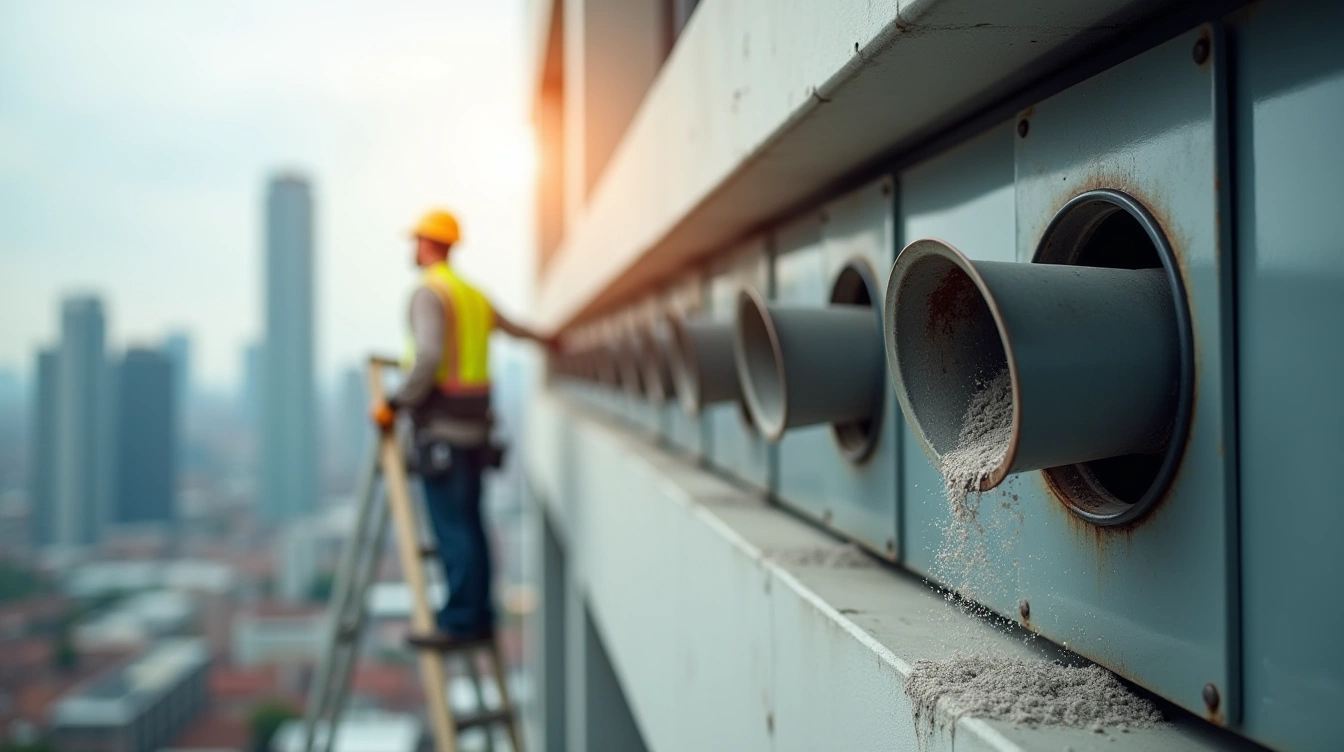
In multi-unit properties, neglected HVAC systems create a domino effect of problems that spread throughout the building. When air ducts become clogged with dust, debris, and contaminants, the entire ventilation network struggles to maintain healthy air circulation across all units.
Dirty ventilation systems force HVAC equipment to work significantly harder, consuming up to 40% more energy while delivering poor air quality to residents. This inefficiency translates directly into higher utility costs and premature equipment failure, creating unexpected expenses for property owners.
The interconnected nature of building ventilation systems means that contaminated air from one unit can easily migrate to neighboring apartments. Allergens, mold spores, and airborne particles circulate freely through shared ductwork, potentially triggering respiratory issues and allergies among multiple residents simultaneously.
Regular professional maintenance extends equipment lifespan by preventing the buildup of debris that causes motors and fans to overheat. Well-maintained systems also respond more effectively to seasonal demands, ensuring consistent comfort levels while maintaining optimal energy efficiency throughout the property.
Professional maintenance ensures optimal airflow while specialized services like our carpet cleaning experts Montreal provide comprehensive building cleanliness solutions.
Identifying when your building's air ducts need attention
Several clear warning signs indicate when your building's ventilation system requires professional cleaning. Recognizing these indicators early can prevent costly repairs and health issues for residents.
Here are the main signs that your air ducts need immediate attention:
- Persistent odors emanating from vents, especially musty or stale smells that circulate throughout the building
- Excessive dust accumulation in units despite regular cleaning, indicating contaminated air circulation
- Rising energy bills due to reduced system efficiency caused by blockages and debris buildup
- Respiratory complaints from residents, including increased allergies, coughing, or breathing difficulties
- Unusual noises from the HVAC system, such as rattling or whistling sounds during operation
- Visible debris around vents or filters that appear dirty shortly after replacement
Each of these symptoms affects your building's air quality and system performance. Blocked ducts force HVAC equipment to work harder, increasing wear and energy consumption. Meanwhile, contaminated air poses health risks to residents and can lead to tenant complaints or liability concerns for property managers.
Comprehensive vent cleaning solutions: the technical process
Professional vent cleaning follows a systematic approach that begins with a comprehensive inspection of the entire HVAC system. Technicians use specialized cameras to assess ductwork condition, identify blockages, and evaluate contamination levels throughout multi-unit buildings. This initial assessment determines the appropriate cleaning methodology and equipment needed for optimal results.
The extraction process utilizes high-powered vacuum systems combined with rotating brush technology to dislodge accumulated debris, dust, and microbial growth from duct surfaces. Professional-grade equipment creates negative pressure within the system, ensuring contaminants are captured rather than redistributed throughout the building. Specialized tools navigate complex ductwork configurations common in apartment buildings and condominiums.
Following mechanical cleaning, EPA-approved disinfectants are applied to eliminate remaining bacteria, mold spores, and allergens. This sanitization step is particularly crucial in multi-unit properties where cross-contamination between units can occur through shared ventilation systems. The process requires extensive knowledge of building codes and ventilation engineering principles.
Final verification involves airflow testing and visual inspection to ensure complete removal of contaminants and proper system functionality. This technical expertise distinguishes professional services from basic maintenance, delivering measurable improvements in indoor air quality for building occupants.
Cost considerations and responsibility allocation
The financial aspect of ventilation cleaning in multi-unit buildings involves several key variables that building owners must carefully evaluate. Building size represents the primary cost driver, as larger complexes require more extensive ductwork networks and additional labor hours to complete thorough cleaning services.
System complexity significantly impacts pricing structures. Buildings with multiple HVAC zones, specialized filtration systems, or hard-to-access ductwork typically require specialized equipment and experienced technicians, resulting in higher service costs. The frequency of maintenance also affects overall expenses, though regular cleaning often proves more economical than emergency interventions.
Responsibility allocation varies depending on local regulations and building management structures. In most jurisdictions, building owners bear primary responsibility for common ventilation systems, including main supply and return ducts. However, individual unit owners or tenants may be responsible for maintaining personal HVAC equipment and accessible ductwork within their units.
Property managers often coordinate these services, ensuring compliance with health regulations while managing costs effectively. Understanding these responsibilities beforehand prevents disputes and ensures proper maintenance scheduling across all building systems.
Optimizing air quality through preventive maintenance schedules
Establishing a systematic maintenance schedule represents the cornerstone of effective air quality management in residential and commercial buildings. Rather than waiting for problems to emerge, property managers who implement preventive approaches consistently achieve superior indoor air quality while reducing long-term operational costs.
For residential complexes, quarterly inspections paired with annual deep cleaning typically provide optimal results. Commercial buildings with higher occupancy rates benefit from more frequent attention, often requiring bi-annual maintenance cycles to address increased contaminant loads from greater foot traffic and extended operating hours.
The economic advantages of preventive maintenance become evident when comparing costs over time. Emergency repairs following system failures can cost three to five times more than scheduled maintenance, not to mention the disruption to tenants and potential liability issues from compromised air quality. Regular maintenance extends equipment lifespan, maintains energy efficiency, and prevents costly emergency interventions.
Building characteristics should guide your maintenance approach. Properties with swimming pools, underground parking, or restaurants require more aggressive schedules due to elevated humidity and contaminant levels. Meanwhile, newer constructions with modern HVAC systems may operate effectively with standard maintenance intervals, provided proper initial installation and commissioning.
Your questions about ventilation cleaning services
How often should ventilation systems be cleaned in apartment buildings?
Most apartment buildings require professional cleaning every 3-5 years. High-traffic buildings or those with smoking residents may need annual service to maintain optimal air quality.
What are the signs that my building's air ducts need professional cleaning?
Watch for visible dust buildup around vents, musty odors, increased allergy complaints from residents, or reduced airflow. These indicators suggest immediate professional assessment is needed.
How much does it cost to clean ventilation systems in a condominium complex?
Costs typically range from $300-800 per unit, depending on system complexity and building size. Bulk pricing for entire buildings often reduces per-unit expenses significantly.
What health risks are associated with dirty ventilation systems in buildings?
Contaminated systems can trigger respiratory issues, allergies, and asthma. Mold, bacteria, and accumulated pollutants circulate throughout units, particularly affecting vulnerable residents like children and elderly.
Do building owners or tenants pay for ventilation cleaning services?
Building owners typically handle common system maintenance, while tenants may pay for in-unit cleaning. Lease agreements and local regulations usually clarify these responsibilities clearly.
How do I select a qualified ventilation cleaning professional?
Choose certified technicians with specialized equipment, proper insurance, and experience with multi-unit buildings. Request references and ensure they follow industry standards for thorough system cleaning.